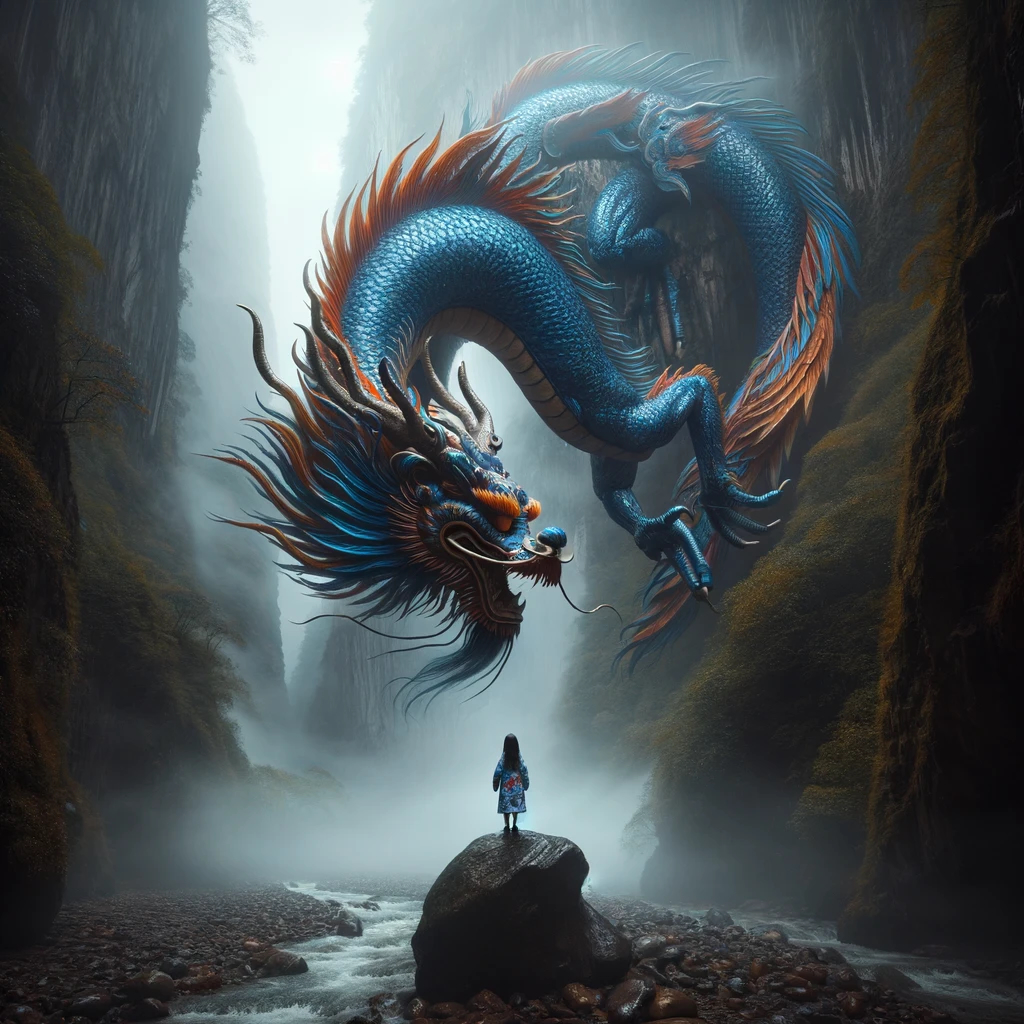

Science fiction and fantasy get dismissed sometimes. "Escapism." "Genre fiction." Not proper literature that grapples with real issues.
Nonsense.
SFF has been exploring the biggest questions for as long as the genres have existed. It just does it through dragons and spaceships instead of suburban dinner parties.
What makes us human?
Science fiction asks this constantly. Do Androids Dream of Electric Sheep? — what's the difference between a human and a convincing simulation? Flowers for Algernon — is intelligence the measure of a person? The Culture novels — what do we become when all our limitations are removed?
Fantasy asks it differently. What does it mean to have power? What do we owe each other? What happens when ordinary people face extraordinary evil?
These are philosophical questions wearing adventure clothing.
The nature of power
Fantasy is obsessed with power. Magic systems are theories of power — where it comes from, what it costs, who gets to wield it.
The One Ring is power that corrupts absolutely. Earthsea's magic requires balance — every action has consequences. Hard magic systems treat power as engineering; soft magic keeps it mysterious and dangerous.
These aren't just plot devices. They're explorations of what power does to people and societies.
Free will and fate
Prophecy is everywhere in fantasy. The Chosen One. The inevitable doom. Characters struggling against destinies written before they were born.
This is free will versus determinism, dramatised. Can you change fate? Should you try? What does choice mean when the future is known?
Science fiction tackles similar ground through time travel, simulation theory, and deterministic universes. Different imagery, same questions.
The other
Aliens. Elves. The Fair Folk. Monsters.
SFF is constantly negotiating the boundary between self and other. Who counts as "people"? How do we treat those who are different? What happens when we encounter minds genuinely unlike our own?
Sometimes this goes badly — aliens as stand-ins for uncomfortable stereotypes. But at its best, SFF uses the non-human to illuminate the human, to question our assumptions about who deserves moral consideration.
Hope and despair
Utopias and dystopias. Golden ages and apocalypses. The Culture's post-scarcity paradise and The Road's ash-covered wasteland.
SFF lets us imagine futures — and in doing so, shows us what we value, what we fear, what we hope for. These imaginings aren't just entertainment. They shape how we think about possibility.
Why it matters
Genre labels are marketing, not measures of seriousness. A book about a wizard school can explore death and love and the weight of choice. A book about a generation ship can ask what we owe our descendants.
The rockets and the magic are permission to think boldly. To imagine radically. To ask "what if?" and follow it wherever it goes.
That's not escapism. That's one of the most important things fiction can do.
What big ideas have you found in SFF? Which books made you think differently about the world?