
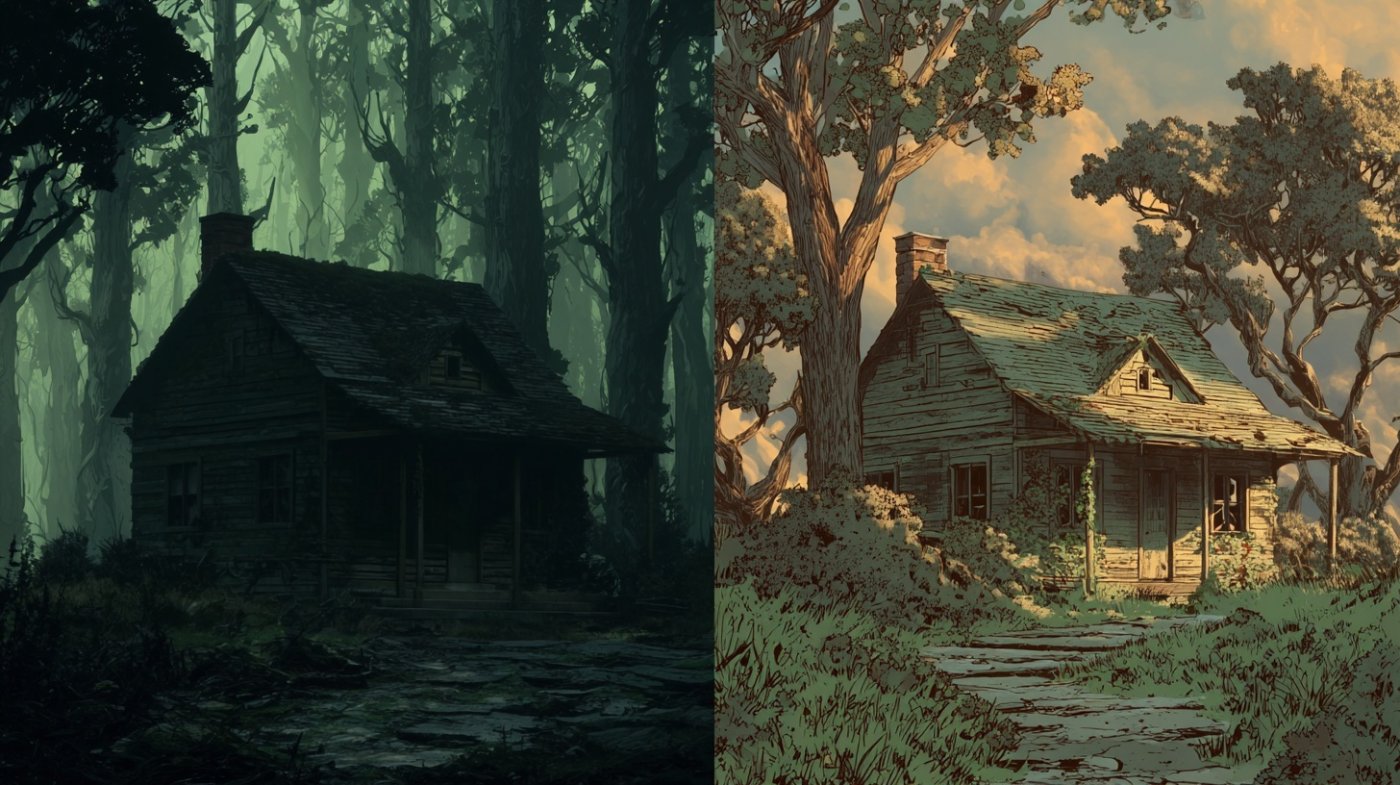
When describing a scene, don't just paint what's there. Paint what your character sees through their emotional lens.
The scared protagonist doesn't notice trees — they notice shadows that could hide threats. The heartbroken hero sees couples everywhere, even in innocent conversations between strangers. The anxious character counts exits, notes escape routes, catalogues potential disasters.
This isn't about adding flowery adjectives. It's about filtering reality through your character's current state of mind. Their fears, hopes, and obsessions become your descriptive palette.
A park bench is just furniture to most people. But to someone grieving, it's where they used to sit together. To someone homeless, it's tonight's bed. To a new parent, it's where other families gather — a glimpse of their future.
The same setting becomes completely different depending on who's looking at it. This is how you make description do double duty: building both world and character simultaneously.
Your reader doesn't need to know what the room looks like. They need to know what it feels like to your character to be standing in it.
What is your character's emotional state filtering out — or forcing them to notice?